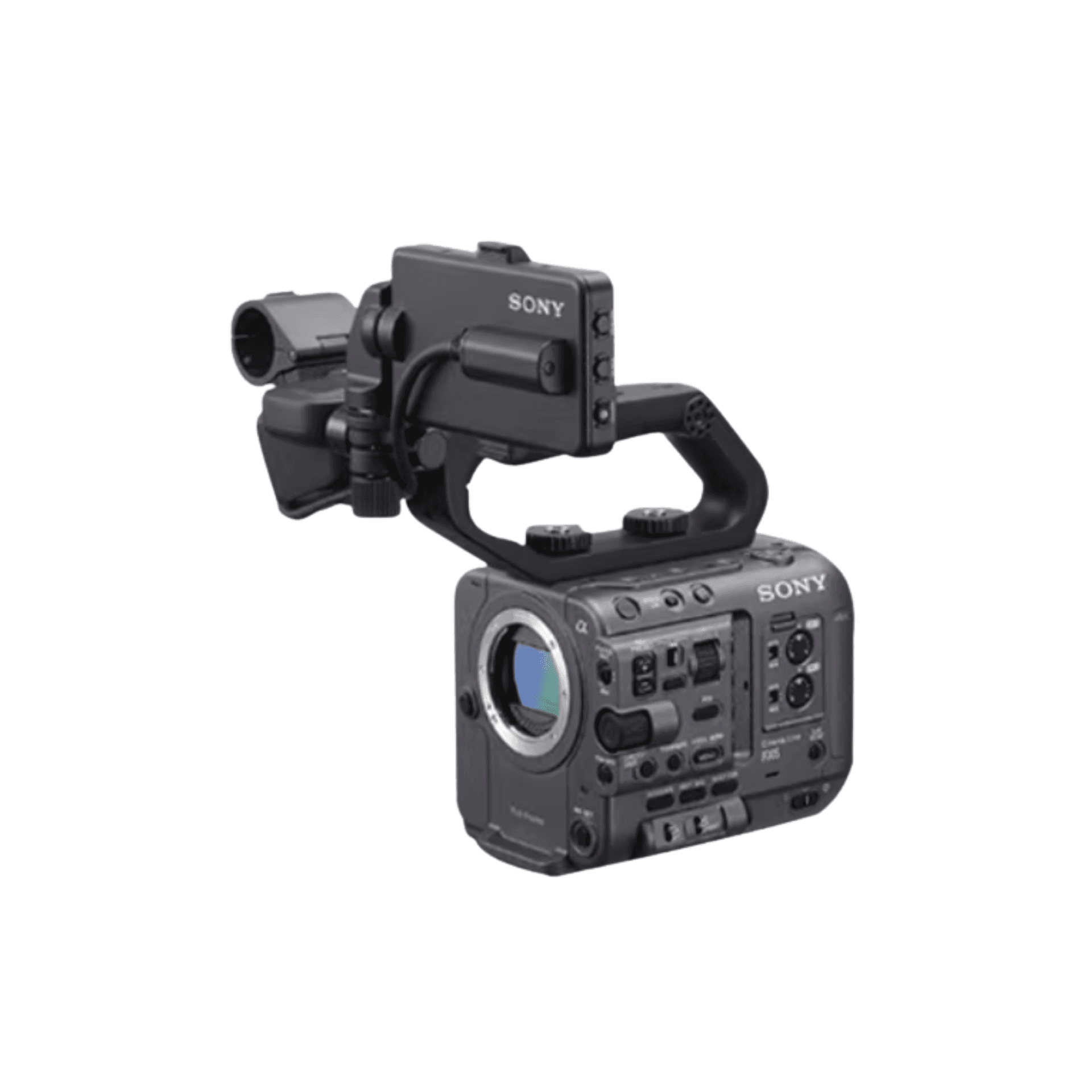
Product Close-Up Focus and Exposure Workflow: Reflection, Depth and Repeatability
Product Close-Up Focus and Exposure Workflow: Reflection, Depth and Repeatability. A project-ready workflow covering scope, execution order, failure risks and the records needed for a reliable handoff.
Practical production guide
Turn the key steps from briefing to on-set execution into a practical project checklist.
Start with the short answer, then work through equipment, crew, signal, power, media and delivery.
Direct answer
Product close-ups must control surface reflection, text legibility, depth of field, focus movement and repeatable action together. Clean the product, lock lighting and reflection, set the focus path and action marks, then review at magnification.
01
Scope and direct judgment
Product close-ups must control surface reflection, text legibility, depth of field, focus movement and repeatable action together.
When adding “Product Close-Up Focus and Exposure Workflow: Reflection, Depth and Repeatability” to a project workflow, define its use case, start condition and completion condition, then reassess after any scope change.
Checklist
- ✓Product close-ups must control surface reflection, text legibility, depth of field, focus movement and repeatable action together.
- ✓Product Close-Up Focus and Exposure Workflow: Reflection, Depth and Repeatability: owner, review time and unresolved items
02
Execution and decision order
Clean the product, lock lighting and reflection, set the focus path and action marks, then review at magnification.
For “Product Close-Up Focus and Exposure Workflow: Reflection, Depth and Repeatability”, each step needs an owner, input and reviewable output; “done” or a verbal handover is not an execution record.
Checklist
- ✓Clean the product, lock lighting and reflection, set the focus path and action marks, then review at magnification.
- ✓Product Close-Up Focus and Exposure Workflow: Reflection, Depth and Repeatability: owner, review time and unresolved items
03
Primary failure risks
Auto-exposure drift, shallow depth, inconsistent action and small-monitor-only review can hide missed focus and defects.
For “Product Close-Up Focus and Exposure Workflow: Reflection, Depth and Repeatability”, run a reverse test with the same equipment under conditions close to the site, and turn anything unverified into a named fallback.
Checklist
- ✓Auto-exposure drift, shallow depth, inconsistent action and small-monitor-only review can hide missed focus and defects.
- ✓Product Close-Up Focus and Exposure Workflow: Reflection, Depth and Repeatability: owner, review time and unresolved items
04
Record and handoff
Keep the lighting diagram, exposure reference, focus marks, take count and selected takes.
For “Product Close-Up Focus and Exposure Workflow: Reflection, Depth and Repeatability”, use “Keep the lighting diagram, exposure reference, focus marks, take count and selected takes.” as the minimum handoff record so the next operator can continue from evidence rather than memory.
Checklist
- ✓Keep the lighting diagram, exposure reference, focus marks, take count and selected takes.
- ✓Product Close-Up Focus and Exposure Workflow: Reflection, Depth and Repeatability: owner, review time and unresolved items
Frequently asked questions
Where does “Product Close-Up Focus and Exposure Workflow: Reflection, Depth and Repeatability” start?
Clean the product, lock lighting and reflection, set the focus path and action marks, then review at magnification. Name the owner, start condition and unresolved items at the same time.
What record should remain after “Product Close-Up Focus and Exposure Workflow: Reflection, Depth and Repeatability”?
Keep the lighting diagram, exposure reference, focus marks, take count and selected takes. The next operator must be able to review it independently.
Which changes trigger a new “Product Close-Up Focus and Exposure Workflow: Reflection, Depth and Repeatability” check?
Auto-exposure drift, shallow depth, inconsistent action and small-monitor-only review can hide missed focus and defects. Recheck affected steps after changes to venue, crew, deliverables or the equipment chain.